Clinical training forms an integral part of physiotherapy education at Cheran College of Physiotherapy. The institution emphasizes practical learning through extensive clinical exposure, enabling students to develop professional competence, patient-handling skills, and clinical decision-making abilities. The clinical training program is designed to bridge academic learning with real-time healthcare practice, preparing students to meet professional challenges confidently.

Students are provided with systematic clinical exposure from the academic stage onwards, allowing them to observe, assist, and gradually perform physiotherapy procedures under professional supervision. The training model focuses on patient assessment, treatment planning, therapeutic intervention, rehabilitation techniques, and follow-up evaluation. Exposure to diverse clinical cases helps students understand multidisciplinary healthcare approaches and enhances their practical knowledge.
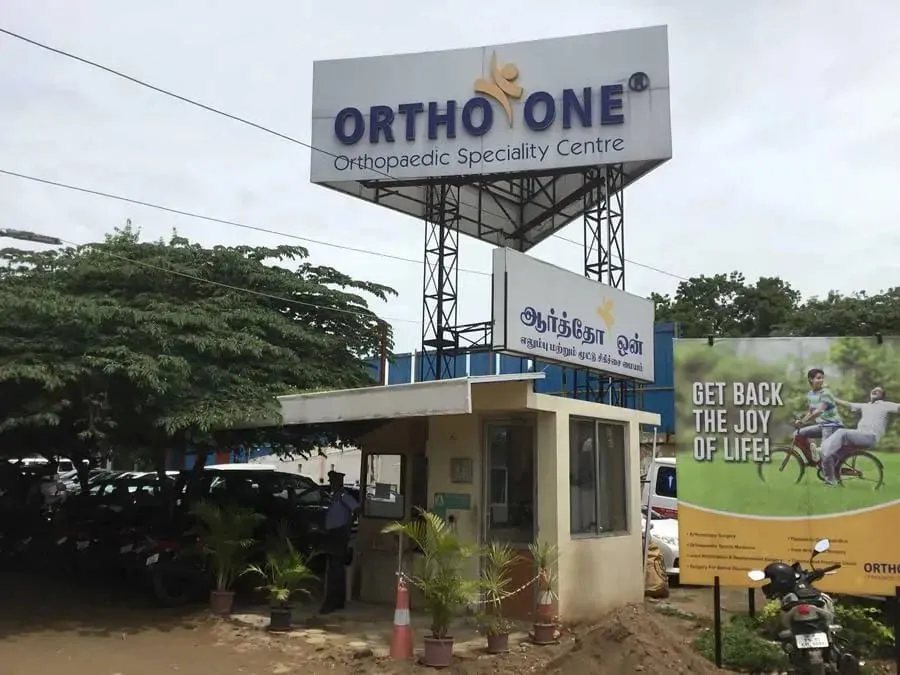
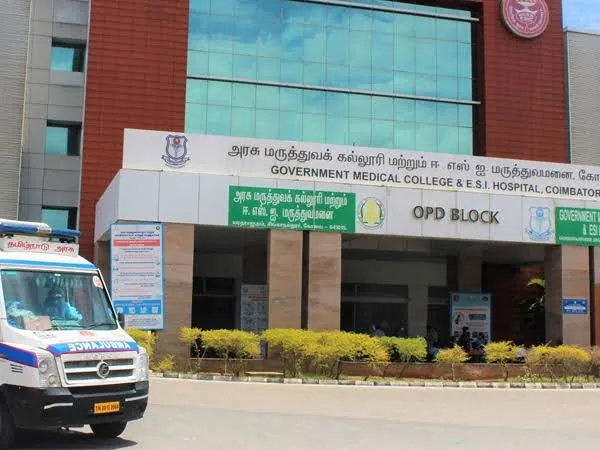
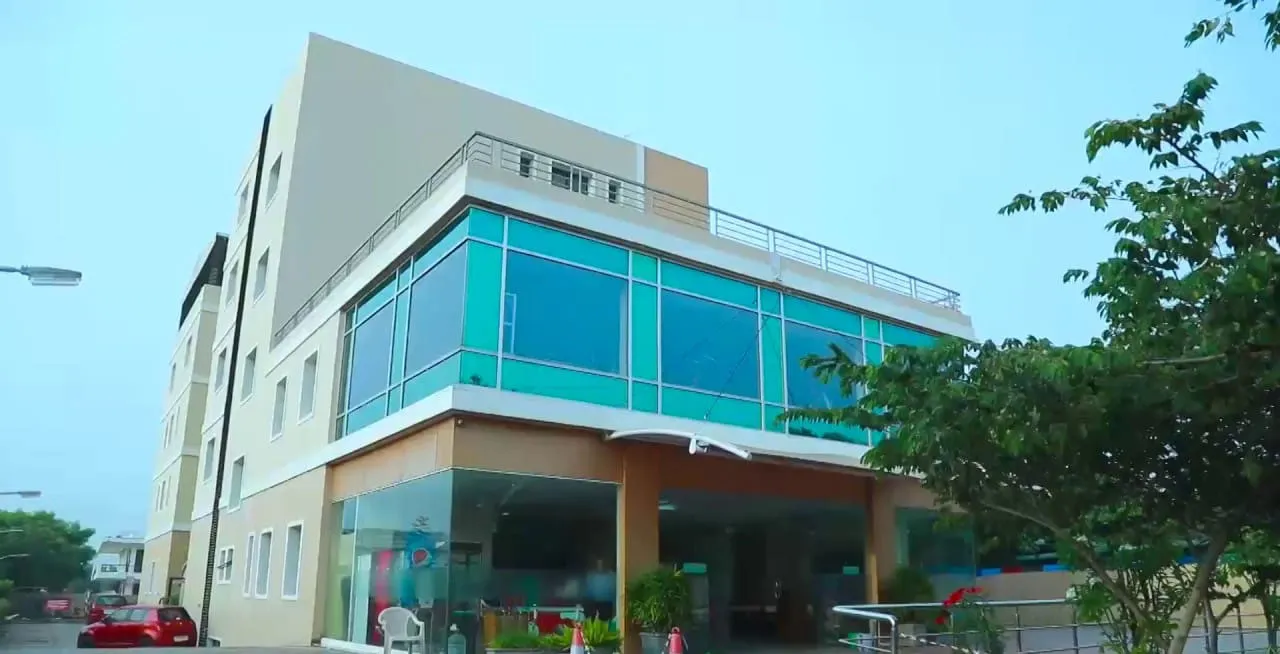
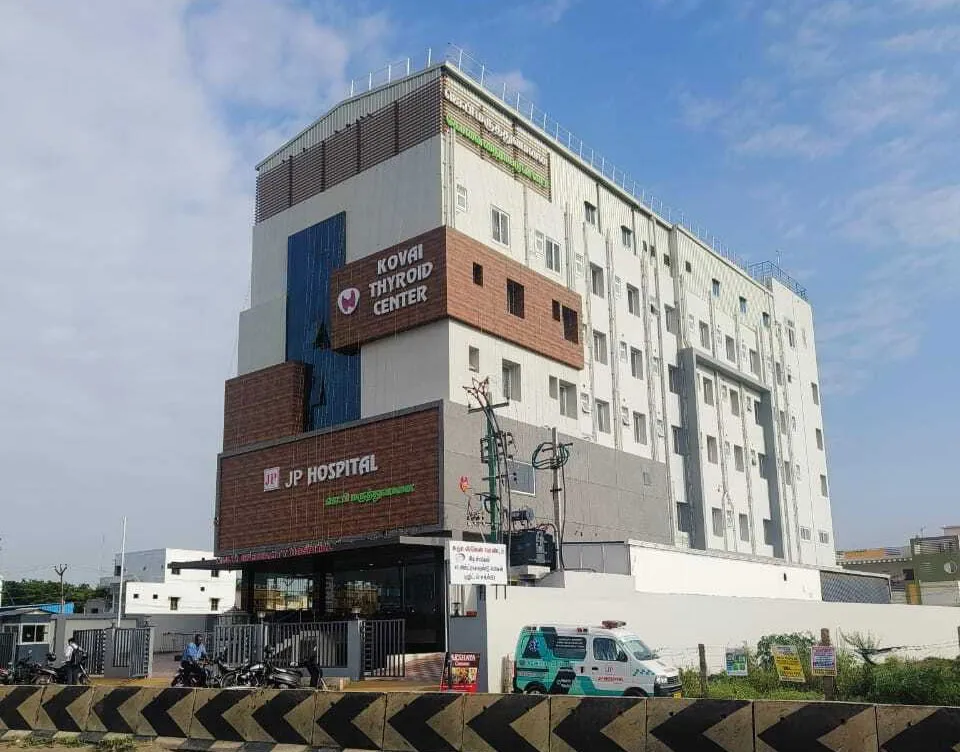
The institution maintains strong collaborations with reputed hospitals and healthcare centers to provide comprehensive clinical training. Students are posted in various hospitals and rehabilitation centers where they gain experience in handling orthopedic, neurological, cardiopulmonary, pediatric, and post-operative cases. Clinical postings ensure exposure to both inpatient and outpatient rehabilitation settings.
During the compulsory internship period, students undergo rotational clinical training in major departments such as:
This structured internship program helps students develop independent clinical skills and professional confidence required for physiotherapy practice.
In addition to hospital training, students receive exposure to rehabilitation centers and specialty physiotherapy units that focus on long-term rehabilitation and functional recovery. Training in these centers enables students to understand community-based rehabilitation, disability management, and specialized therapeutic approaches for different patient populations.
Clinical training also emphasizes communication skills, ethical patient care, teamwork, and professional responsibility. Students are trained to work in multidisciplinary healthcare environments alongside doctors, nurses, and other healthcare professionals, ensuring holistic patient management and improved healthcare outcomes.

 Admissions Toll-free : +91 77084 41116
 cheran.physiotherapy@cherancolleges.org